Leading the Future, the Wisconsin Way
Wisconsin has always led by turning knowledge into opportunity.
From world-changing research to breakthrough technologies, our state’s greatest strength has been its ability to connect innovation with the public good. Today, that tradition continues through artificial intelligence, advanced computing, and the digital infrastructure that powers them.
Innovate Wisconsin is dedicated to advancing responsible policies that support innovation, strengthen communities, protect our environment, and ensure Wisconsin remains a leader in the technologies shaping the future.
This is the next chapter of the Wisconsin Idea.
about us
Advancing Policies to Promote Responsible Innovation
Innovate Wisconsin is dedicated to advancing public policies that promote responsible innovation, sustainable economic development, and community prosperity.
We believe Wisconsin can embrace emerging technologies while staying true to the values that define our state: environmental stewardship, educational excellence, civic engagement, and shared opportunity.
Our mission is to educate the public, engage policymakers, and advocate for policies that support responsible digital infrastructure, including data centers and advanced computing facilities that power innovation across every sector of our economy.
Our principles:
- Innovation with Purpose: Technology should improve lives, strengthen communities, and create opportunities for future generations.
- Sustainability Matters: Economic growth and environmental responsibility are not competing priorities. Wisconsin can lead in both.
- Local Benefits: Major infrastructure investments should provide meaningful benefits for the communities that host them.
- Public Engagement: The best public policy decisions happen when communities are informed, involved, and empowered.
- The Wisconsin Idea: The benefits of research, education, and innovation should reach every Wisconsin resident.
our vision
A Future Built Here in Wisconsin
The technologies transforming healthcare, education, clean energy, biotechnology, and scientific research all depend on one thing: digital infrastructure.
Data centers and advanced computing facilities provide the foundation that allows researchers, entrepreneurs, educators, universities, inventors, and businesses to solve some of society’s biggest challenges.
When developed responsibly, these investments can:
- Support cutting-edge research and innovation
- Strengthen Wisconsin’s economy
- Generate revenue for schools and local services
- Advance clean energy development
- Create opportunities for future generations
- Help Wisconsin compete in a rapidly changing global economy
The future can happen somewhere else—or here in Wisconsin. We have an opportunity to help shape the future—the Wisconsin Way.
issues
Responsible Data Center Development
Data centers are the digital infrastructure powering modern life. They support everything from medical research and educational tools to artificial intelligence, clean energy innovation, biotechnology, and small business growth.
Innovate Wisconsin supports policies that encourage responsible development while ensuring strong environmental protections, community engagement, and local benefits.
We believe Wisconsin can become a national leader in digital infrastructure by:
- Maintaining transparency and public engagement
- Encouraging responsible site selection
- Supporting renewable energy development
- Promoting water stewardship and conservation
- Strengthening workforce development programs
- Ensuring local communities share in economic benefits
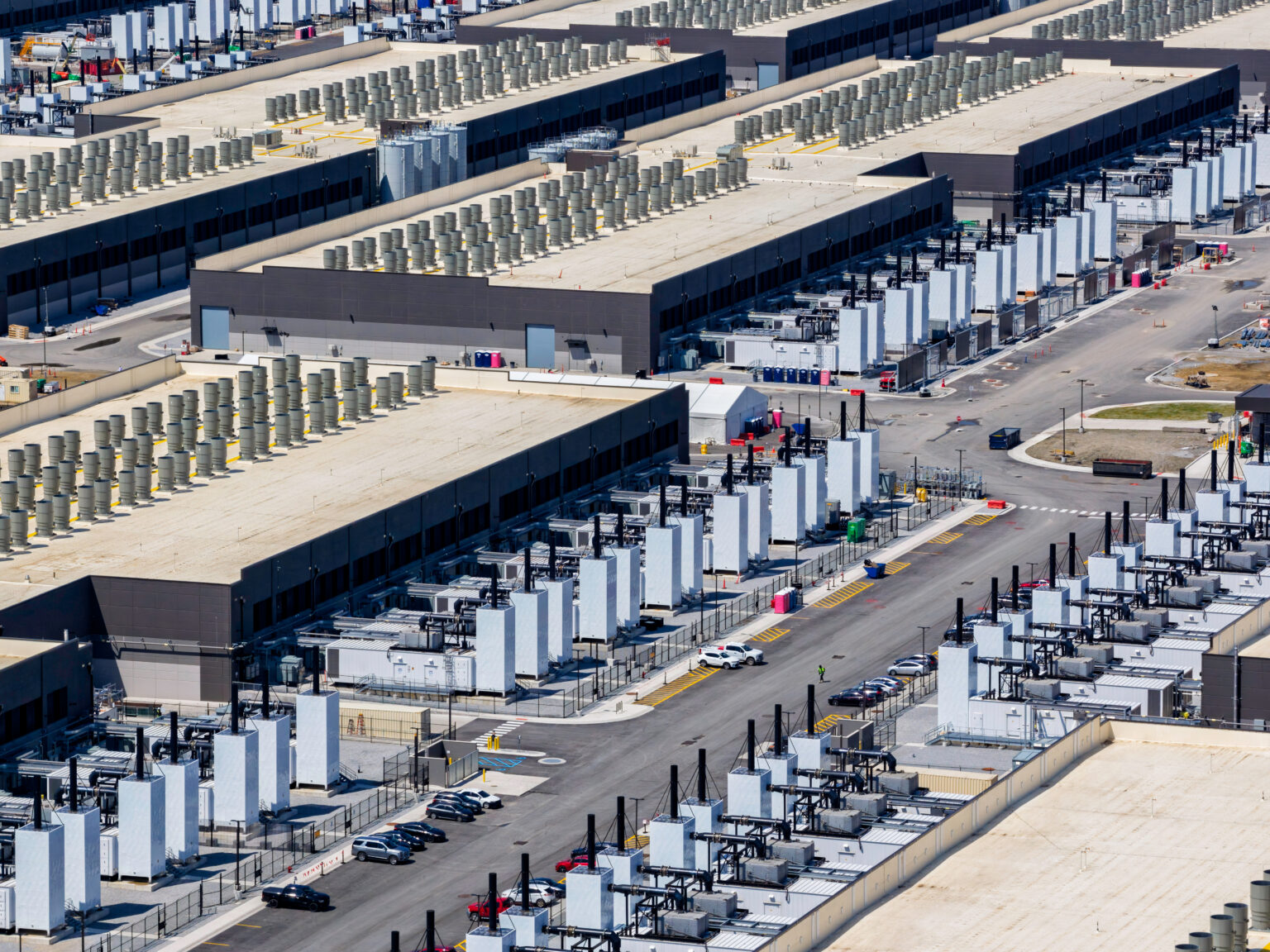
Investing in our local communities
Unlike many forms of development, data centers often require limited public services while contributing substantially to the local tax base. That means communities can gain new resources to support public priorities while reducing pressure on homeowners and small businesses.
Together we can:
- Strengthen our schools: Revenue generated through responsible data center development can help support local school districts, educational programs, workforce development initiatives, technology investments, and facilities that prepare students for success in a rapidly changing world.
- Lower the burden on local taxpayers: New sources of commercial tax revenue can help reduce pressure on residential property taxpayers while providing resources needed to maintain high-quality public services.
- Invest in public infrastructure: Additional local revenue can support investments in schools, roads, bridges, public safety, parks, trails, libraries, and other community priorities that residents rely on every day.


Sustainability and Clean Energy
Wisconsin’s commitment to environmental stewardship remains one of our greatest strengths. We believe that innovation and sustainability work best together.
Innovate Wisconsin supports policies that encourage:
- Renewable energy development
- Energy efficiency improvements
- Responsible resource management
- Carbon reduction strategies
- Sustainable infrastructure investments

Stay connected
Help Shape Wisconsin’s Future
Wisconsin stands at an important moment. The choices we make today about innovation, infrastructure, education, and sustainability will influence our state’s future for generations.
Join Innovate Wisconsin as we work to ensure Wisconsin remains a place where innovation thrives, communities prosper, and opportunity reaches everyone.
frequently asked questions
More than a century ago, the Wisconsin Idea transformed the relationship between education, government, and society. Its promise was simple: knowledge should improve lives beyond the walls of the university. Today, that mission extends to the technologies and infrastructure that make modern innovation possible. Artificial intelligence, climate science, medical research, biotechnology, and next-generation manufacturing all require computing power at unprecedented scale. Supporting responsible digital infrastructure is not separate from the Wisconsin Idea. It’s how we ensure benefits continue reaching every corner of our state.
Responsible data center development can help Wisconsin strengthen schools, improve local infrastructure, support sustainable growth, and maintain its leadership in innovation. By expanding local tax bases, these projects create new opportunities to invest in education, roads, parks, public services, and community priorities while supporting the digital infrastructure needed for breakthroughs in medicine, biotechnology, clean energy, and entrepreneurship. When planned responsibly, data centers can deliver lasting economic, environmental, and community benefits for generations to come.
Data center technology has advanced dramatically, transforming how these facilities are designed, cooled, and operated. While older data centers often depended on evaporative cooling systems that used significant amounts of water, today’s newest facilities are being built with cutting-edge cooling technologies that greatly reduce—or in some cases eliminate—the need for freshwater consumption. Closed-loop systems, direct-to-chip liquid cooling, water recycling, rainwater capture, and fully waterless designs allow modern data centers to operate more efficiently while protecting local water resources. As demand for cloud computing and artificial intelligence grows, these innovations are helping make the next generation of data centers cleaner, smarter, and more sustainable than ever before.
No. Wisconsin has a strong history of thoughtful oversight and responsible regulation, and state leaders have taken important steps to ensure that new data center development does not negatively impact customers’ energy costs. The Public Service Commission of Wisconsin (PSCW) has established safeguards that require large data centers to cover the full costs of the electricity infrastructure needed to serve their operations, protecting households and small businesses from subsidizing new development. In 2026, the PSCW strengthened these protections by requiring long-term service agreements and ensuring data centers pay for their energy use. In short, data centers have to pay their own way. These policies demonstrate that Wisconsin’s regulatory system is working as intended, encouraging economic growth and innovation while protecting consumers and ensuring that major projects contribute fairly to the infrastructure needed for their operations.
Data centers and artificial intelligence are growing rapidly because they power the digital tools and services that families rely on every day. From streaming, online banking, and remote work to healthcare, education, navigation, and fraud protection, data centers help make it all work. As artificial intelligence becomes increasingly integrated into everyday life, the need for the computing power provided by data centers continues to grow. For Wisconsin families, this means access to better technology, improved healthcare and educational tools, and future innovations that can improve quality of life. It also means local economic benefits, as responsible data center development can create jobs, expand the tax base, and generate revenue that supports schools, infrastructure, parks, and community services. Like railroads, highways, and power plants in earlier generations, data centers are becoming essential infrastructure that helps power opportunity, innovation, and prosperity.